Best Things to Do on the Great Ocean Road | Must-See Attractions
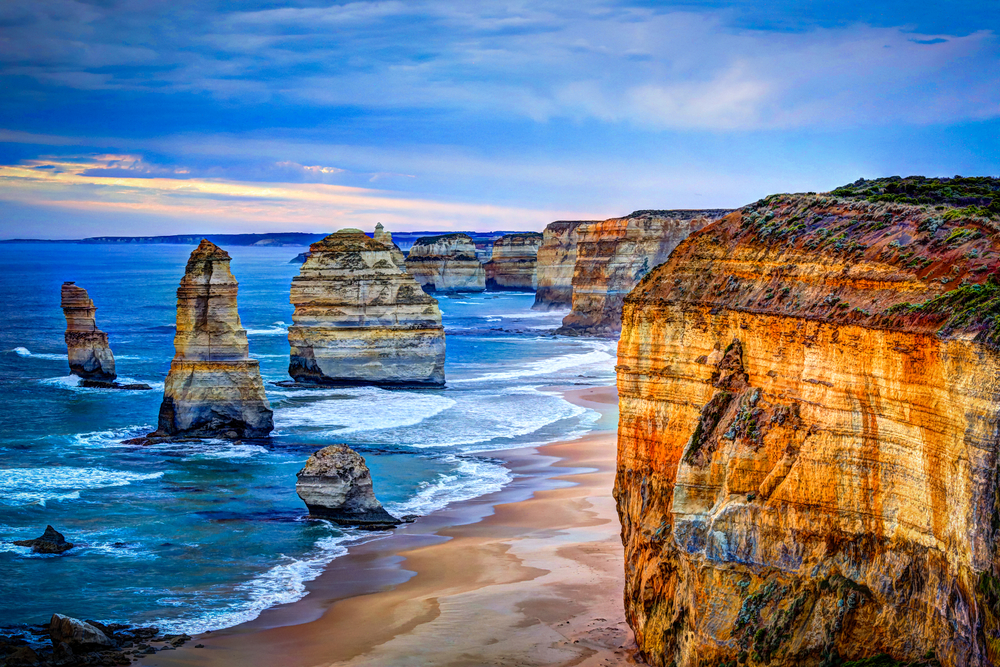
The best things to do on the Great Ocean Road include visiting the Twelve Apostles and Loch Ard Gorge, descending Gibson Steps when access is open, spotting wildlife near Kennett River and Warrnambool, exploring the Otways and stopping in coastal towns such as Lorne and Apollo Bay. Torquay’s surf culture, Split Point Lighthouse, waterfalls, short sections of the Great Ocean Walk and the Shipwreck Coast also deserve space in a well-planned itinerary.
The route extends from Torquay towards Allansford near Warrnambool and is especially rewarding in a motorhome, campervan or caravan because you can divide the journey into shorter driving legs. Allow at least three to four days for the main attractions, or five to seven days if you want to include inland Otway detours, longer walks and a western extension to Warrnambool or Port Fairy.
This guide prioritises the most worthwhile Great Ocean Road attractions and explains how much time to allow, what each stop is best for and what RV travellers should check before arriving.
What's On This Page
Great Ocean Road Highlights at a Glance
Surf Coast Attractions: Torquay to Anglesea
Iconic Great Ocean Road Lookouts and Natural Landmarks
Wildlife Spotting Along the Great Ocean Road
Waterfalls, Rainforest and Great Otway National Park
Coastal Towns Worth Stopping In
Travelling with Children
Practical Tips for RV Travellers on the Great Ocean Road
FAQs
Great Ocean Road Highlights at a Glance
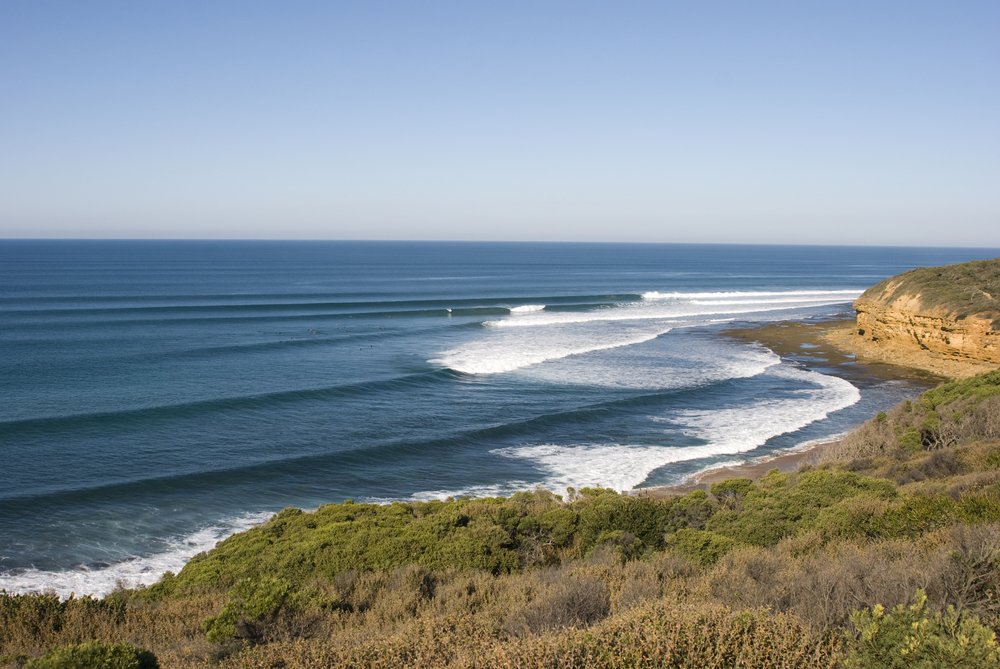
Bells Beach
For a first trip along the Great Ocean Road, it is worth building your route around a handful of major stops rather than trying to see everything in one day.
Start around Torquay with Bells Beach and the Surf Coast, then continue through Aireys Inlet for Split Point Lighthouse. The stretch between Lorne and Apollo Bay is one of the most scenic parts of the drive, with Cape Patton offering a worthwhile stop for the view.
Further west, the Twelve Apostles, Gibson Steps and Loch Ard Gorge are the main attractions around Port Campbell National Park. Gibson Steps can close due to tides, weather, or coastal conditions, so check access before travelling.
Kennett River is a popular place to look for koalas and native birds, while Logans Beach near Warrnambool is best known for seasonal whale watching. Travellers with more time can also add an Otway waterfall, part of the Great Ocean Walk or an extra night in Port Fairy.
If you have two days: Prioritise Torquay, one Surf Coast stop, Apollo Bay, the Twelve Apostles and Loch Ard Gorge.
If you have three to four days: Add Split Point Lighthouse, an Otway waterfall, Gibson Steps when open and an overnight stop near Port Campbell.
If you have five to seven days: Include more of the Otways, a section of the Great Ocean Walk, Warrnambool and an optional extension to Port Fairy.
Surf Coast Attractions: Torquay to Anglesea
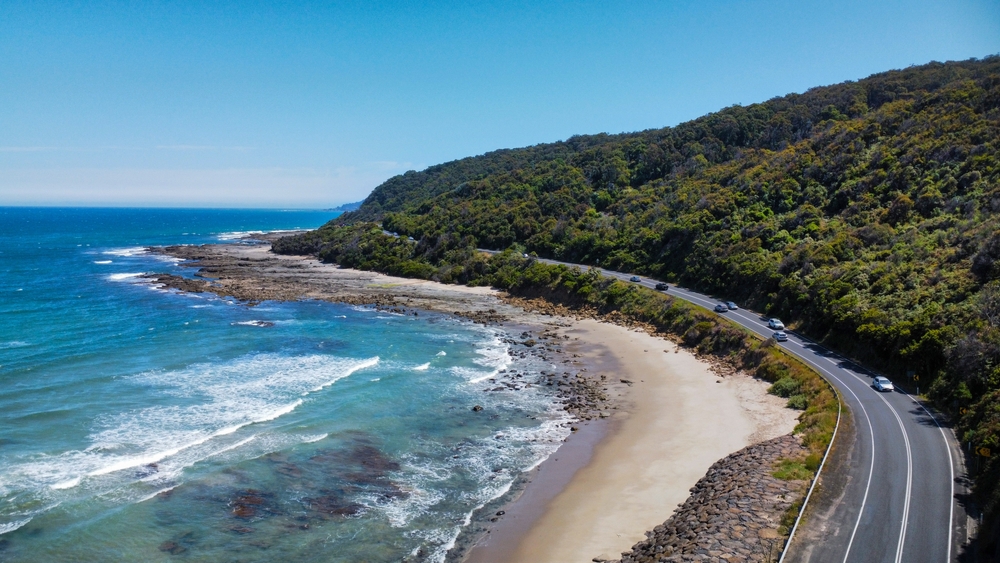
The Surf Coast is the easiest place to combine practical trip preparation with beaches, surf culture and short activities. Torquay is useful for fuel and groceries, while Bells Beach and Anglesea offer scenic stops before the road narrows and becomes more winding farther west.
Torquay and Bells Beach
Torquay is the official starting point of the Great Ocean Road and a practical first stop for RV travellers, with fuel, supermarkets and a relaxed coastal setting to introduce the journey ahead. Considered Australia's surfing capital and the birthplace of iconic brands Rip Curl and Quiksilver, Bells Beach is one of the most famous surf breaks in the world – worth a stop even if you're not a keen boardrider. The clifftop viewing area offers a great vantage point over the break, particularly in autumn when swells build. In town, immerse yourself in Aussie surf culture at the Australian National Surfing Museum at Surf Coast Plaza.
Anglesea
Anglesea works well as a short family break or relaxed first-night stop. The river precinct offers walking, paddling and picnic opportunities, while the main town provides food, supplies and access to nearby beaches.
Swim at patrolled beaches where possible, and take a moment to check the conditions before getting in. The riverside areas around Anglesea can be a calmer place for families to stop. To see the kangaroos at the golf club, join an approved tour rather than walking onto the course yourself.
Iconic Great Ocean Road Lookouts and Natural Landmarks
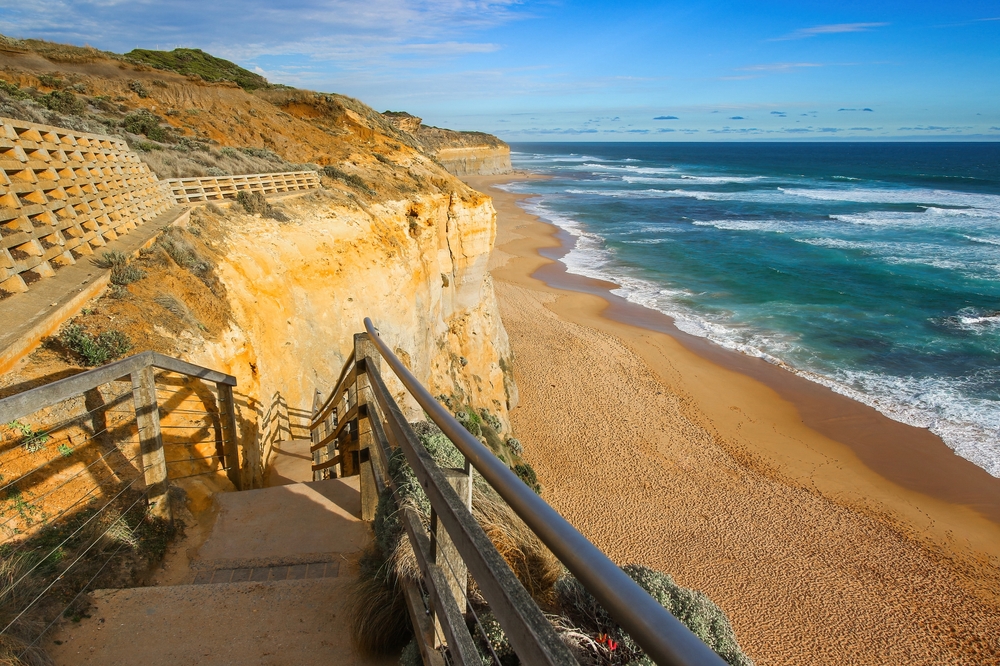
Gibson Steps
The best-known natural landmarks are concentrated between Aireys Inlet and Port Campbell National Park. Some, such as Cape Patton, are brief lookout stops. Others, including Gibson Steps and Loch Ard Gorge, require more time and can be affected by weather, track closures or coastal conditions.
Split Point Lighthouse, Aireys Inlet
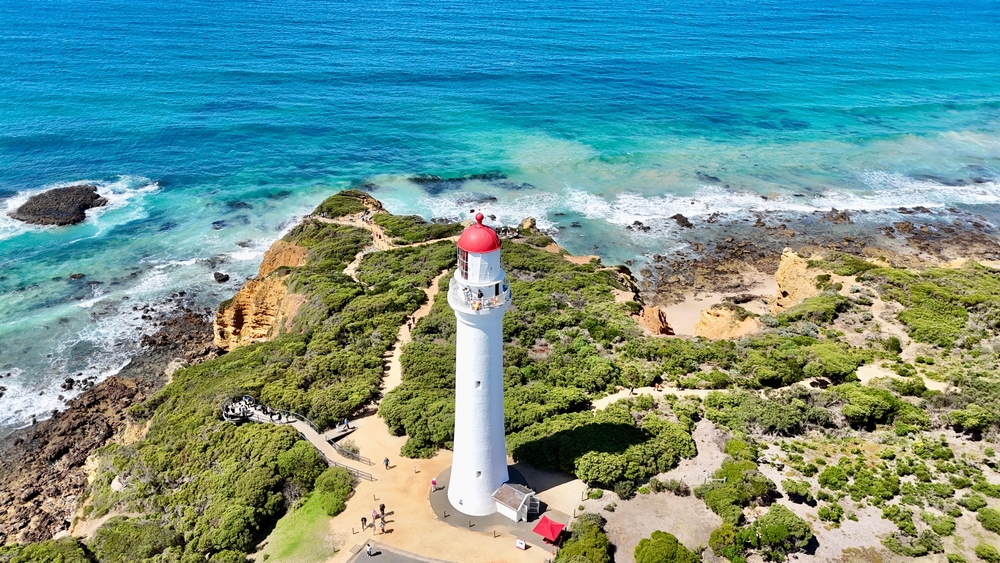
Split Point Lighthouse
Built in 1891 following a series of shipwrecks along the coast, Split Point Lighthouse is one of the most photographed spots on the Great Ocean Road. The lighthouse is open for tours, and the surrounding headland offers sweeping views across Bass Strait. It's a short, manageable walk from the car park. Tour availability, access and parking conditions can change, so check the official lighthouse information before travelling.
Cape Patton Lookout
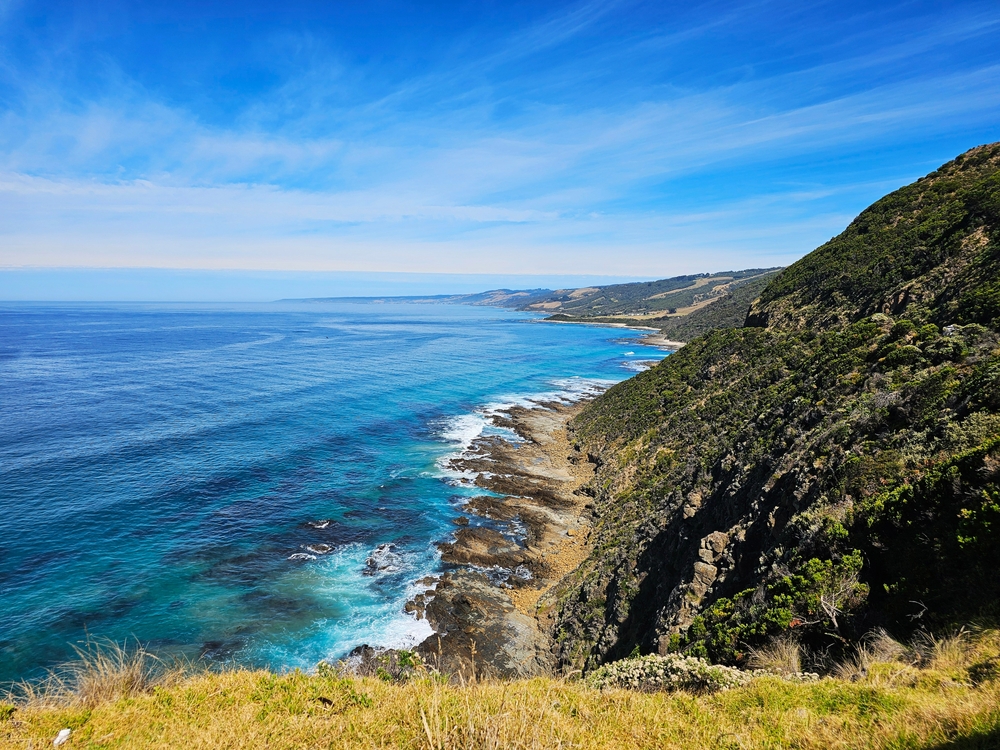
Cape Patton Lookout
Between Lorne and Apollo Bay, Cape Patton Lookout delivers one of the most expansive coastal panoramas on the route. The turnoff is easy to miss, so watch closely for it, but the views across the Southern Ocean more than justify the stop. One of the quieter lookouts on the road, it rarely gets crowded.
The 12 Apostles
No list of Great Ocean Road attractions is complete without the 12 Apostles. These limestone formations were pushed out of the Southern Ocean roughly 8.6 to 14 million years ago, but only in the past few thousand years has gradual coastal erosion left the stacks up to 45 metres high. There are now seven remaining. Morning light catches the cliffs in deep yellows and burnt orange – if you can time your arrival for just after sunrise, the colours are worth the early wake-up.
The visitor centre car park on the right side of the main road can accommodate motorhomes, campervans, and caravans, but spaces fill quickly in peak season. Arrive early where possible, particularly during peak periods. Check the current access and visitor infrastructure information before departure.
Gibson Steps
Gibson Steps offers something different: when access is available, visitors can descend 86 carved steps to beach level beneath towering 70-metre limestone cliffs. Looking up at the Gog and Magog stacks from the sand provides a perspective of the coastline that no lookout can match. Access can change due to weather, rock instability and coastal conditions, so it's worth checking local updates before visiting.
Loch Ard Gorge
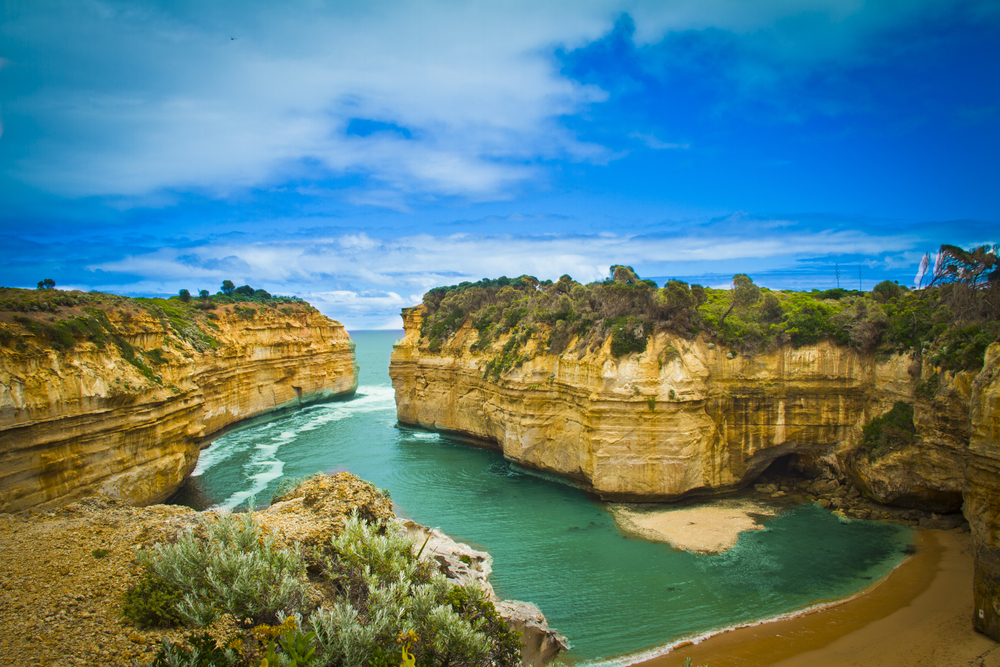
Loch Ard Gorge
Loch Ard Gorge combines dramatic coastal scenery with the story of the 1878 Loch Ard shipwreck. Several tracks and viewpoints explore the gorge, nearby formations and the wider Shipwreck Coast, so allow at least one hour rather than treating it as a quick photo stop.
The beach is unpatrolled and can be unsafe for swimming. Follow local signs, remain behind barriers and check whether individual tracks or beach access points are open before visiting.
London Arch and The Grotto
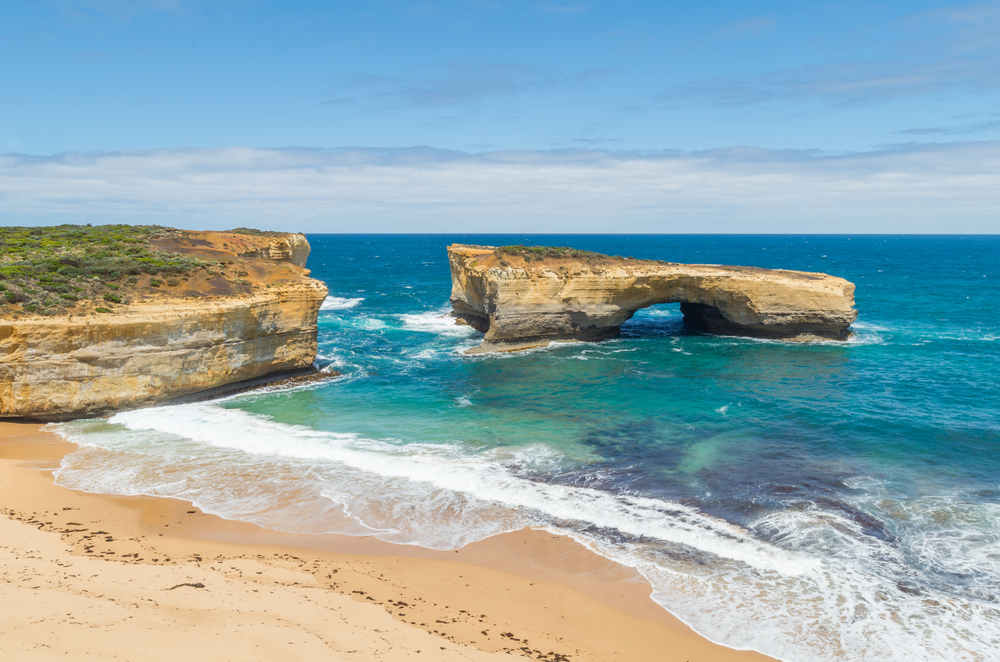
London Arch
London Arch and The Grotto are separate coastal formations west of Port Campbell and can be visited as short stops along the Shipwreck Coast. London Arch was once connected to the mainland before part of the formation collapsed in 1990. The Grotto combines a sinkhole, a cave-like opening, and an ocean view from a formal viewing area.
Stay on marked paths and do not enter closed or unstable coastal areas.
Wildlife Spotting Along the Great Ocean Road
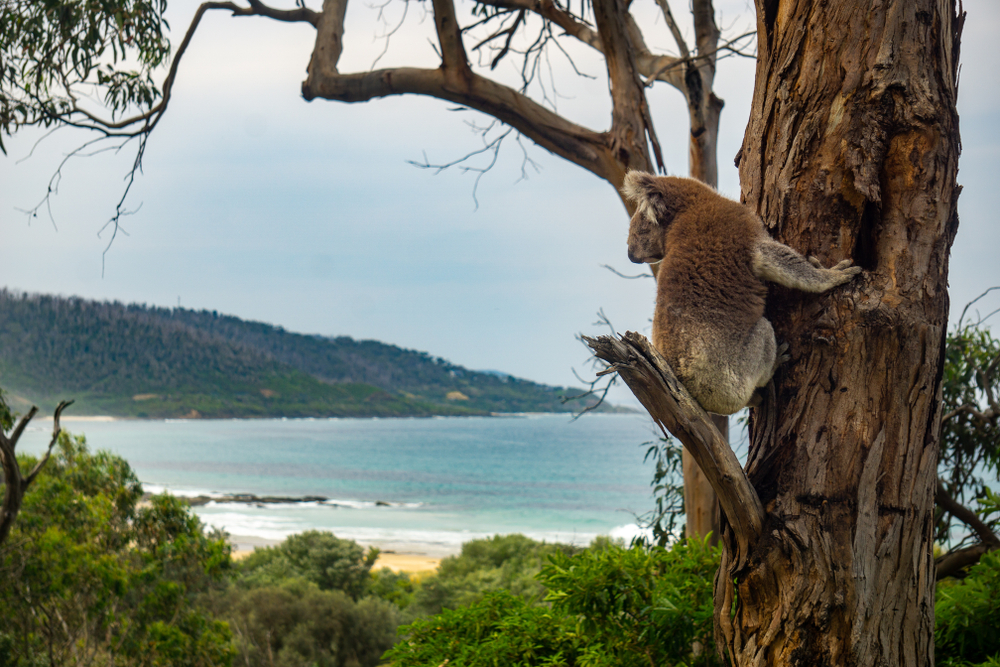
Koalas, kangaroos, native birds and seasonal whales can all be seen along the Great Ocean Road, but wildlife sightings are never guaranteed. Observe animals from a distance, never feed them, remain on designated paths and do not stop on the roadway or enter private property to get a closer view.
Kennett River Koala Walk
Kennett River, between Lorne and Apollo Bay, is one of the most reliable places in Victoria to see koalas in the wild. Pull in, walk the short gravel road into the grey gum forest, and look up – no guided tour required. Kookaburras and crimson rosellas are regulars here, too.
Do not feed koalas or birds, and avoid blocking roads or driveways. Visit outside peak times where possible and treat any sighting as a bonus rather than a guaranteed attraction.
Anglesea Golf Club Kangaroos
Eastern grey kangaroos are regularly seen around the Anglesea Golf Club, but visitors should not enter or wander across the course independently. Use the club’s approved visitor or tour arrangements and follow staff instructions.
An organised experience provides a safer way to view the animals while protecting golfers, visitors and the kangaroos.
Logans Beach Whale Nursery, Warrnambool
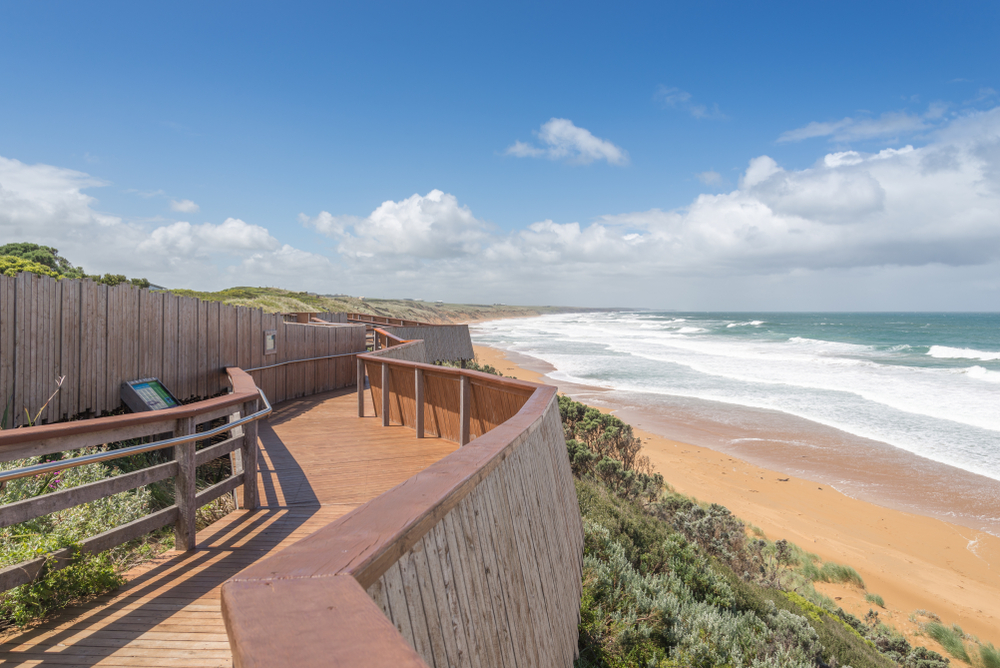
Whale Watching Platform, Logans Beach
Southern right whales may be seen from the Logans Beach viewing platform during their seasonal migration and calving period, commonly between June and September. Sightings vary from day to day, so bring binoculars and allow time to wait.
The elevated platform provides a safer viewing point than approaching the shoreline. Check current local whale reports before making a dedicated trip.
Waterfalls, Rainforest and Great Otway National Park
The Otways add rainforest, waterfalls, and walking trails to a coastal itinerary, but inland detours require more planning when towing or in a large motorhome. Approach roads, parking, track conditions and closures can change, so check current park information before leaving the main route.
Erskine Falls, Lorne
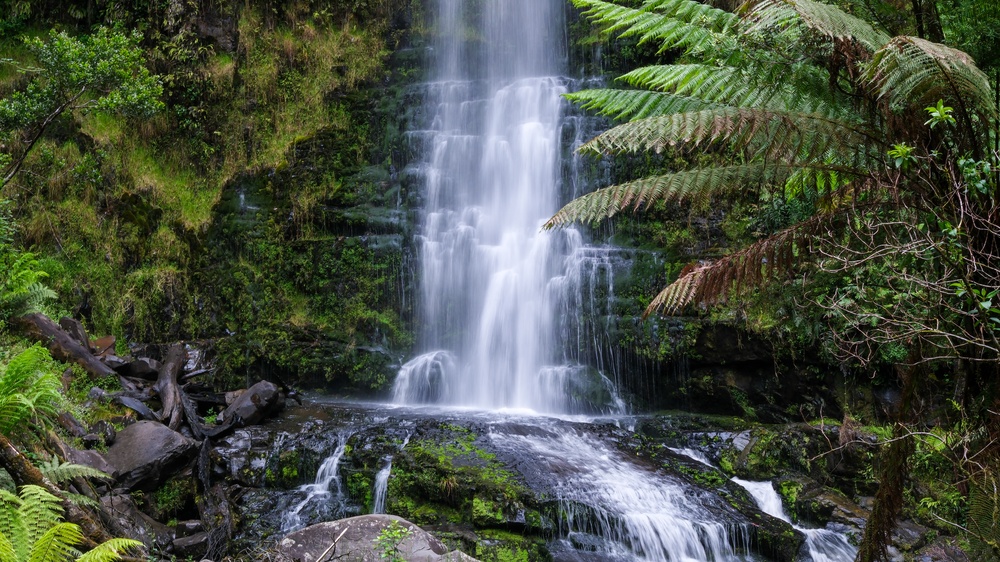
Erskine Falls
A short inland detour from Lorne, Erskine Falls drops 30 metres into a lush, fern gully in the Great Otway National Park. The main lookout platform is accessible without a steep descent, but for those who want the hike, you can continue down to the base of the falls and back up.
Allow at least 45 minutes for the upper area and longer if continuing down the stairs. Check current parking and road conditions before entering the access area with a long vehicle.
Triplet Falls and Hopetoun Falls, Otway Ranges
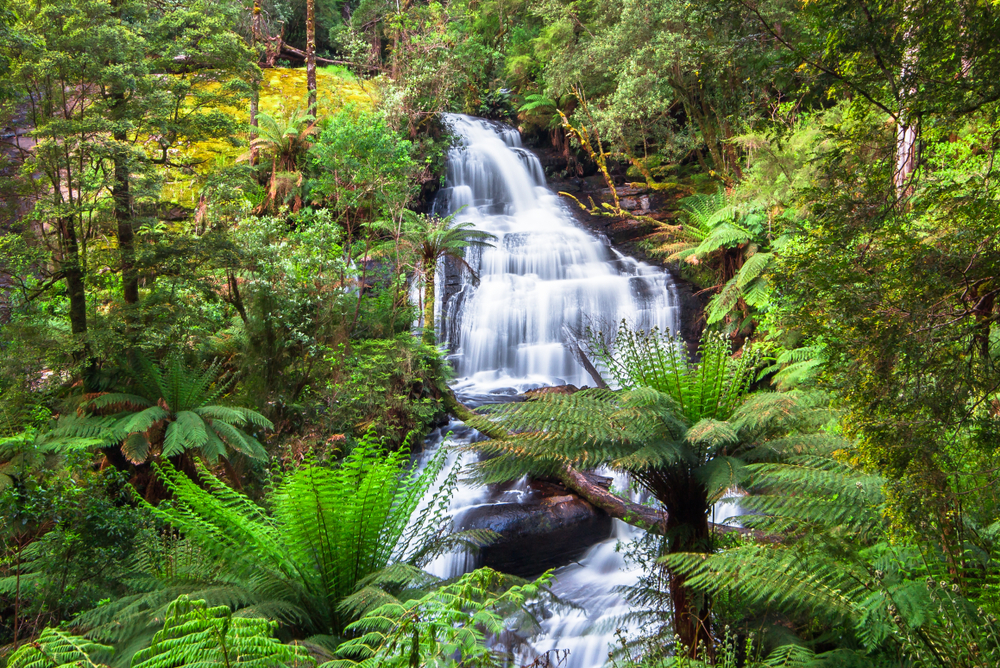
Triplet Falls
Further inland through the Otways, Triplet Falls and Hopetoun Falls reward travellers who take the inland detour through the rainforest. Both are accessible via sealed roads, and the walks to each viewing platform are short and well-maintained, with Hopetoun Falls just 200 steps down and Triplet Falls a 1km loop.
Great Ocean Walk
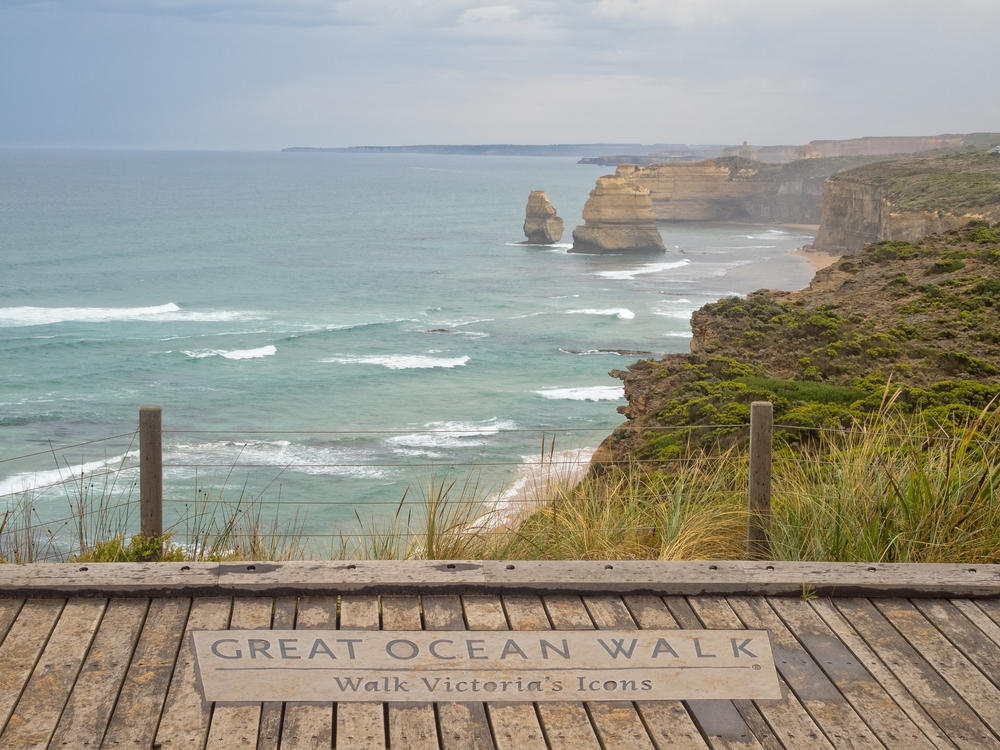
Great Ocean Walk
The Great Ocean Walk extends for more than 100 kilometres from Apollo Bay to the Twelve Apostles. RV travellers do not need to complete the entire route. A short return walk or planned one-way section can add a half-day activity without changing the whole itinerary.
Pick a walk that suits the time you have and how far you feel comfortable going. Some sections finish in a different place from where they begin, so you may need to organise a shuttle or second vehicle. Before setting out, check the latest Parks Victoria map and any weather or track alerts.
Coastal Towns Worth Stopping In
Lorne and Apollo Bay are the most practical coastal bases for food, supplies and overnight stops. Warrnambool works well as a larger western base, while Port Fairy is best treated as an optional extension for travellers with extra time.
Lorne
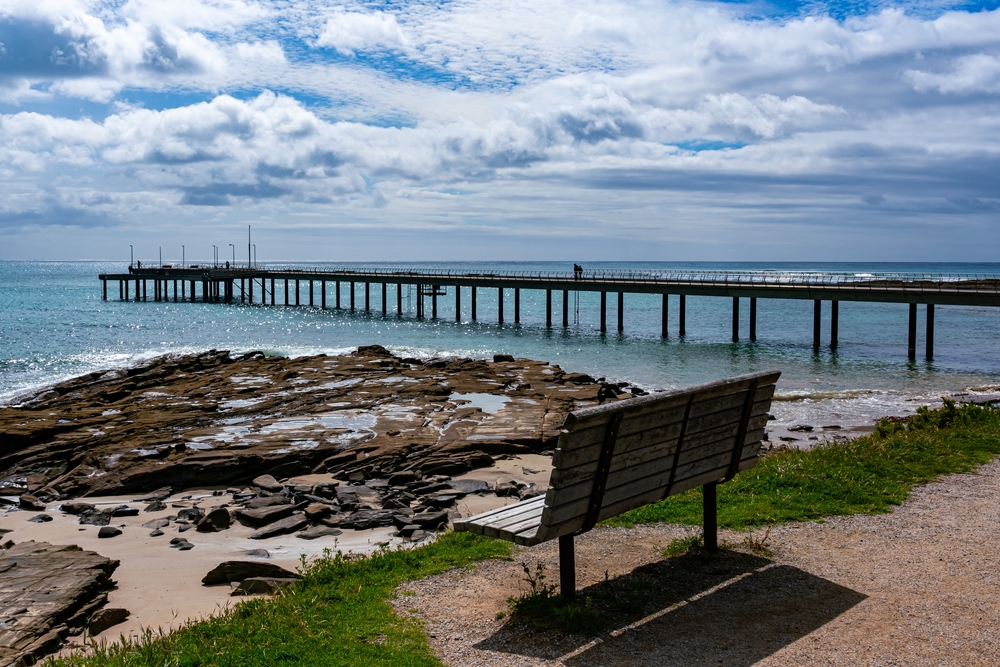
Lorne is one of the busier townships on the Great Ocean Road. Good cafés, reliable supermarkets, a well-positioned beach, and easy access to Erskine Falls make it a natural stop for restocking before the road gets quieter as you head west. Well-equipped holiday parks sit close to the beach.
Apollo Bay
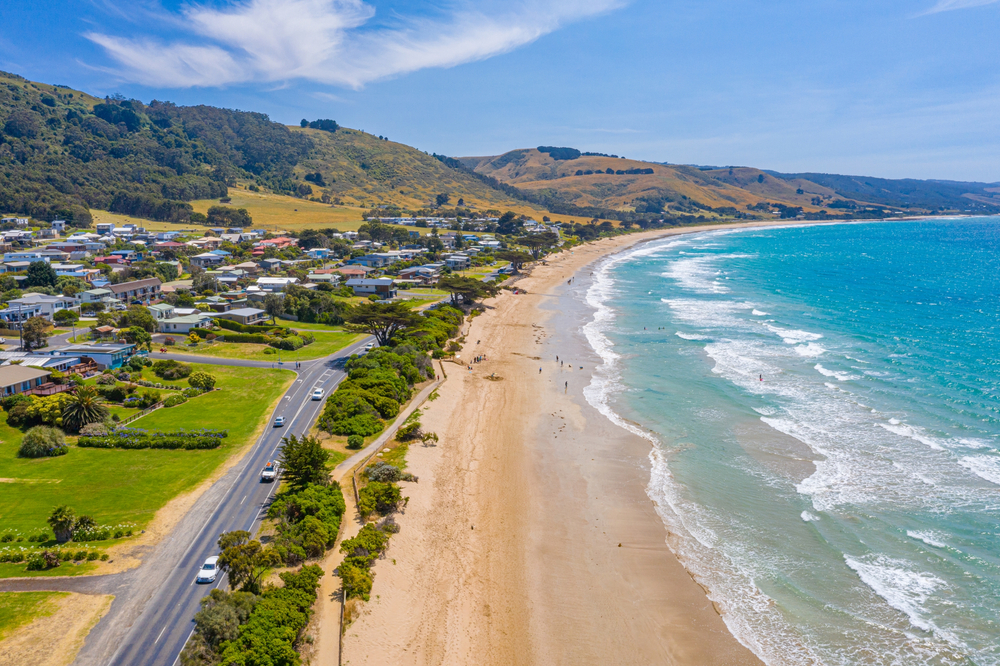
Apollo Bay
Apollo Bay sits at the base of the Otways and marks the point where the road changes from coast-hugging cliffs to forest. Fresh seafood from the Fishermen's Co-op, a wide sandy beach, and access to the Great Ocean Walk make it the most popular overnight stop between Torquay and Port Campbell. Marriner's Lookout above the town gives you a wide-angle view of the bay.
Port Fairy
At the far western end of the road, Port Fairy is a historic fishing village with 19th-century maritime buildings, a working port, and cottage-lined streets. Griffiths Island Lighthouse is a short walk from the town centre, and nearby seal colonies are worth watching out for. The Port Fairy Folk Festival over the March Labour Day weekend is one of the most popular annual events on the Victorian coast.
Warrnambool
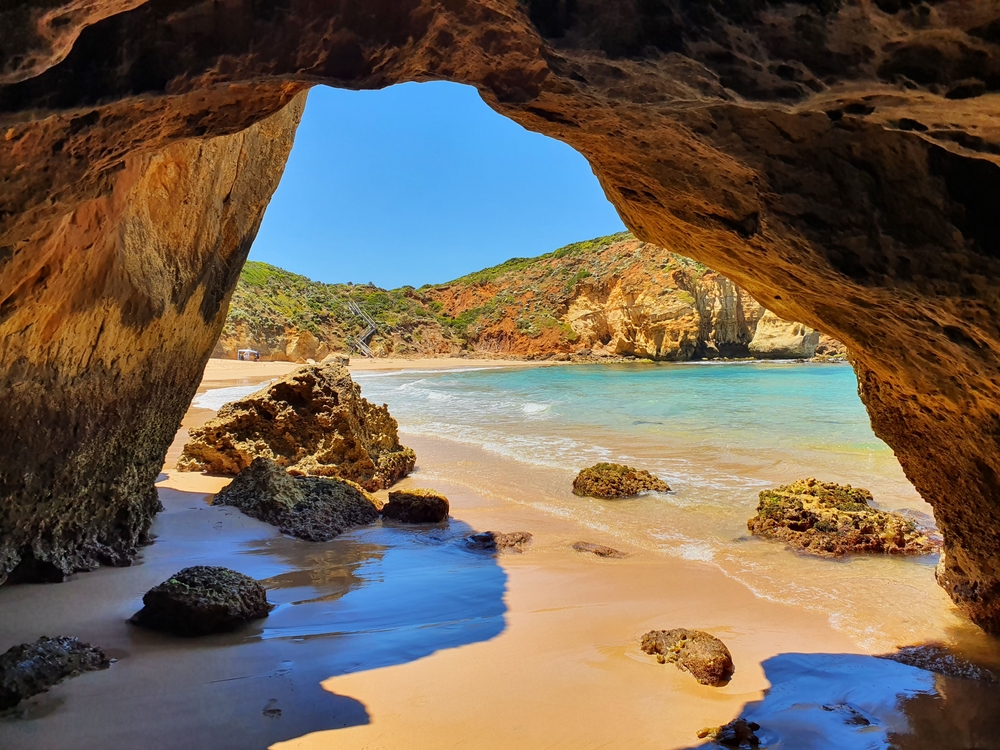
Childers Cove Beach Caves, Warrnambool
The endpoint of the Great Ocean Road route, Warrnambool, has everything you need to restock and reset. Flagstaff Hill Maritime Village tells the story of the Shipwreck Coast through an outdoor living museum; Tower Hill Wildlife Reserve offers a volcanic crater full of emus, koalas, and kangaroos within easy reach of town; and there are plenty of opportunities to sample local cheeses, fresh seafood and regional produce. Families can also visit Lake Pertobe Adventure Playground, a large, free, waterside playground near the foreshore.
Travelling With Children
Breaking the drive into shorter legs and building in regular beach stops can help keep younger travellers engaged. The Great Ocean Road also offers plenty of safe pull-over points and patrolled beaches in many of the main coastal townships.
Families usually enjoy the Great Ocean Road most when the drive is broken into short sections with a mix of lookouts, wildlife, playgrounds and easy walks. Avoid scheduling several long scenic stops in a row, particularly with younger children. Good family options include:
Torquay and Anglesea are good places to ease into the trip, with plenty of spots to grab a bite, stretch your legs or spend some time by the water.
Split Point Lighthouse is an easy stop for families who want a short walk and wide coastal views without committing to a long hike.
The Twelve Apostles works well for a shorter visit, with formal walking paths leading to several viewing areas.
Loch Ard Gorge is a little more involved, with several lookouts and the story of the Loch Ard shipwreck adding interest for older children.
For wildlife, families can look for koalas around Kennett River, join an approved kangaroo tour in Anglesea or head to Warrnambool during whale season.
Lake Pertobe is one of the best places to stop in Warrnambool if children need space to run around, with a large playground close to the foreshore.
Flagstaff Hill Maritime Village is also worth keeping in mind, especially on a wet day or when you want a break from beaches and lookouts.
Keep children close near cliffs, stairs and unpatrolled beaches. Use designated lookouts, follow barriers
and choose patrolled beaches if swimming. Build meal, toilet and movement breaks into the route rather
than relying on informal roadside pull-offs. For more family travel advice, see our guide to caravanning with kids.
Practical Tips for RV Travellers on the Great Ocean Road
The Great Ocean Road is sealed and can be travelled in a motorhome, campervan, or with a caravan, but the coastal section includes tight bends, narrow sections, and frequent changes in speed limits. The main road may suit your vehicle even when a particular lookout, an inland detour, or a small car park does not.
RV travel tip | Why it matters |
Allow more time than the distance suggests | Bends, slower traffic, towns and frequent stops extend travel time. |
Use designated parking and pull-over areas | Road shoulders and informal stops may be unsafe for large vehicles. |
Let faster traffic pass only where safe | Do not use narrow shoulders or unsuitable turnouts. |
Check vehicle length before inland detours | Otway roads and car parks may limit turning space. |
Secure cupboards and loose items | Repeated bends can shift items inside the vehicle. |
Fuel and restock in larger towns | Torquay, Lorne, Apollo Bay and Warrnambool are key supply points. |
Plan water, waste and overnight stops | Confirm current park, campground and dump-point facilities. |
Book accommodation in peak periods | Holiday parks can fill during summer and school holidays. |
Check park, road and weather alerts | Wind, fire, flooding and fallen trees can affect the route. |
Avoid fatigue | Share driving and stop before concentration drops. |
Arrive early at major attractions | Large-vehicle spaces can be limited. |
Reassess plans in severe weather | Strong wind, rain or poor visibility may make exposed stops unsafe. |
***Road, parking, walking-track and attraction conditions can change. Check current official road, park and weather information before travelling, particularly when towing or driving a large motorhome.***
For suggested overnight stops and route timing, see Apollo’s Great Ocean Road road-trip itinerary. Check current road, park and campground conditions before departure, as access and facilities can change.
FAQs
What are the must-see attractions on the Great Ocean Road?
The Great Ocean Road's must-see attractions include the 12 Apostles, Loch Ard Gorge, Gibson Steps, Split Point Lighthouse, Kennett River Koala Walk, Erskine Falls, Logans Beach and the coastal views between Lorne and Apollo Bay.
How many days do you need on the Great Ocean Road in an RV?
Three to four days give you enough time to stop properly at the major attractions without feeling rushed. A weekend is possible, but you’ll drive past a lot of the best spots. A full week allows you to add the Otways inland detour, continue to Port Fairy and Warrnambool, and build in some rest days.
Can you drive the Great Ocean Road in one day?
You can complete the main route in one long day, but you will have limited time at the attractions. An RV trip is better spread over at least two days, with three or four days preferable for the Twelve Apostles, the Otways, wildlife stops, and coastal towns.
Are there free camping options along the Great Ocean Road?
Free camping options are limited along the main coastal stretch. Most travellers use powered sites at holiday parks in the main townships. Some Parks Victoria campgrounds in the Otways and further inland offer basic facilities at low cost, so check the website for availability and booking requirements.
Is the Great Ocean Road suitable for larger motorhomes?
Yes, the main road is sealed and generally well-suited to larger vehicles. The section between Lorne and Apollo Bay has tighter bends and narrower stretches, so allow extra time and take it steadily. Some inland detours through the Otways involve narrower roads – check your vehicle clearance before turning off the main route.
REFERENCES
Bells Beach surf: https://www.apollocamper.com/be-inspired/explore-australia/explore-northern-territory/best-spots-for-surfing-in-australia; https://nomadsworld.com/surf-australia/
Great Ocean Walk - Great Otway National Park: https://www.parks.vic.gov.au/places-to-see/parks/great-otway-national-park
12 Apostles: https://www.miragenews.com/scientists-reveal-formation-age-of-twelve-1661044/
London Arch & The Grotto: https://visitgreatoceanroad.org.au/visit12apostles/london-bridge/