Great Ocean Road Trip Itinerary | Scenic Stops & Travel Guide
For anyone who remembers mum and dad packing the station wagon, being lifted half-asleep from bed and bundled under a blanket in the back seat, the appeal of a Great Ocean Road trip in a fully equipped home-away-from-home will be immediate. Whether you’re travelling in an RV or towing a caravan from Melbourne, it’s not long before the coastal landscape takes over. You can easily plan to pull over at a clifftop lookout, put the kettle on, and breathe the salty air before settling into the slow rhythm of the drive.
This Great Ocean Road trip itinerary is built for motorhome travellers who want a practical, flexible way to experience the coastline – from Torquay through to the 12 Apostles, with the option to continue further without rushing.
Why This Trip Works So Well In an RV
Victoria’s Great Ocean Road is one of the most accessible coastal drives in Australia, stretching roughly 240 kilometres along the state’s southwestern coastline from Torquay to Allansford in the city of Warrnambool. Built between 1919 and 1932 to honour soldiers from WWI, it’s the world’s largest war memorial, offering a treasured piece of Australian history.
Travelling in an RV, you’re not watching the clock or pushing through to meet a check-in window. You can incorporate plenty of comfortable rest stops, stay longer where it feels right, and build your own version of touring as you go. For motorhomes and caravan owners, that flexibility is one of the greatest advantages of this route.
Key advantages for RV travellers:
Frequent, well-positioned coastal lookouts with space to pull over safely.
Reliable access to fuel, groceries, and essentials in major towns.
Holiday parks and campgrounds that are designed to accommodate motorhomes.
Flexibility to adjust your route around weather, traffic, or energy levels
For first-time RV travellers, Australia’s Great Ocean Road is an ideal introduction to motorhome touring. It’s scenic without being remote, and structured without feeling rigid.
Melbourne To Torquay: Starting The Great Ocean Road Drive
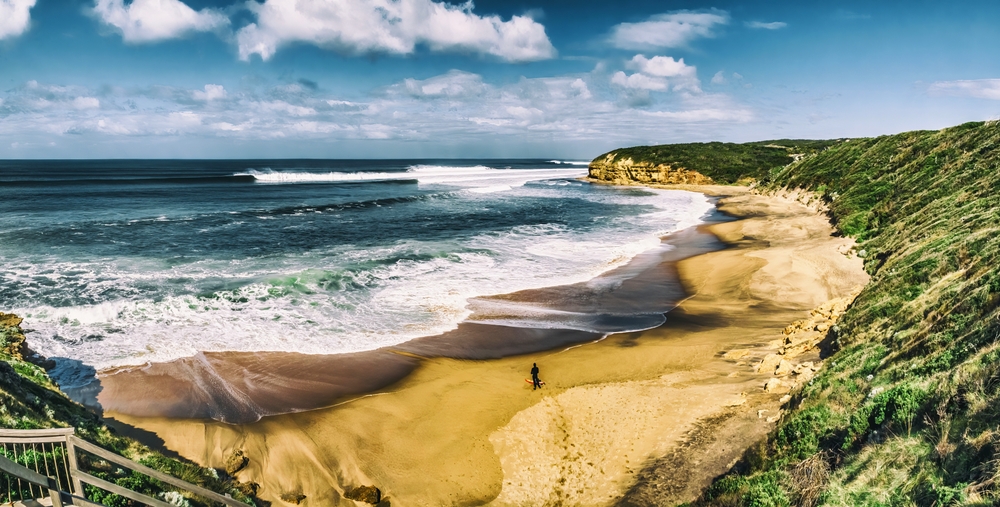
Bells Beach
Distance: 100km | Driving Time: 1.5 hours
Most Great Ocean Road road trips begin in Torquay, the official starting point of the route. Leaving Melbourne early helps you navigate traffic more easily and gives you a full day to settle into the drive.
Torquay is known as Australia’s surfing capital and home to world-famous Bells Beach. A practical first stop, you’ll find fuel, supermarkets, bakeries, and space to take a breather before the road begins to wind.
From here, the coastline stretches toward Lorne, where the Great Ocean Road drive gives that iconic tourism vibe. Drivers and passengers can enjoy panoramic ocean views as the road traces the cliff edges.
Key Stops Between Torquay And Lorne<
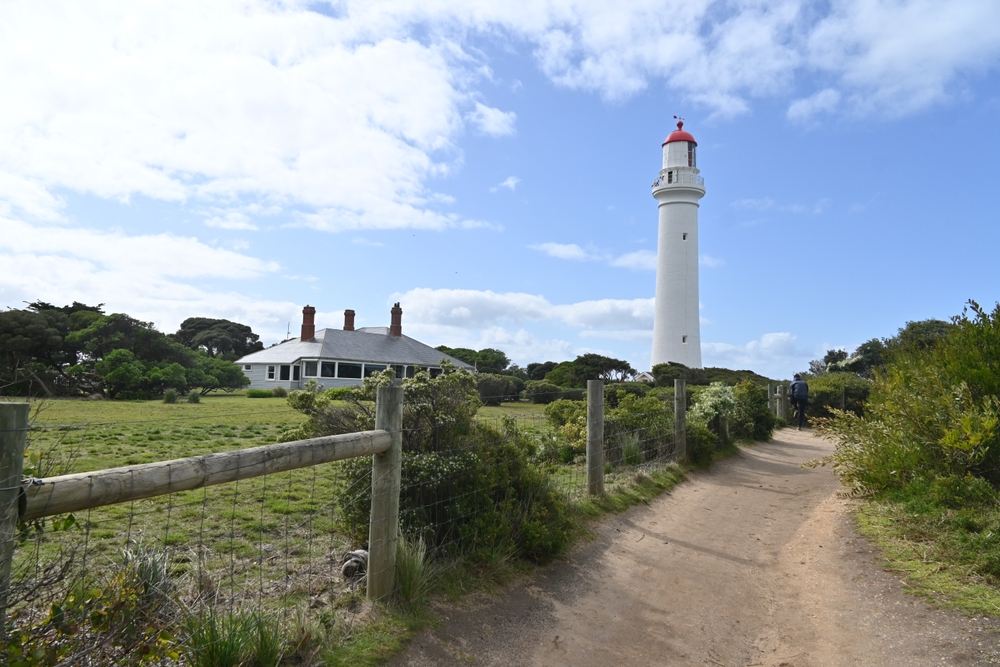
Split Point Lighthouse
This section sets the tone for the entire journey: steady driving, frequent stops, and plenty of reasons to pull over.
Anglesea: A practical early stop with riverside walks, patrolled beaches, and cafes. The golf course nearby is known for its resident eastern grey kangaroos grazing on the fairways.
Aireys Inlet (Split Point Lighthouse): Built in 1891 after a series of shipwrecks, this coastal landmark offers sweeping views over Bass Strait. Nearby, Eagle Rock Marine Sanctuary is known for its marine life, snorkelling and diving.
Lorne: One of the busier towns on the route, but also one of the most practical for stocking up on supplies. Good food options, supermarkets, and well-equipped holiday parks make it a seamless overnight base.
If you’re keen for a short inland detour, Erskine Falls in Great Otway National Park offers a beautiful transition into cool rainforest canopy in contrast to the coastline.
Lorne To Apollo Bay: Slower Driving, Bigger Views
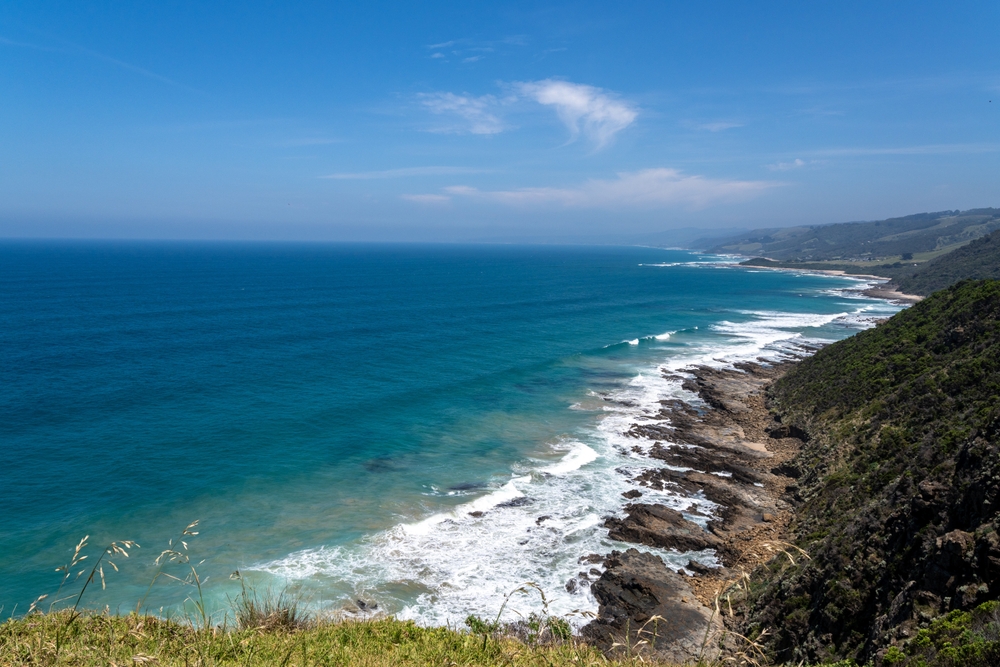
Cape Patton Lookout
Distance: 45km | Driving Time: 1 hour
The Great Ocean Road really earns its place on worldwide travel itineraries here, as it hugs the cliffs while the waves crash below. This is a more difficult stretch of road to navigate, with sharper curves and narrower sections that require steady focus behind the wheel.
It also sets you up perfectly for Apollo Bay, well known for its seafood pies and fresh catches from the Fisherman’s Co-op, making it an ideal place to time your arrival for a proper lunch stop.
Kennett River: A reliable place to spot koalas in the wild. Pull in, take a short stroll, and look up – you’ll often find them resting in the eucalyptus canopy.
Cape Patton Lookout: One of the most expansive views along the Great Ocean Road. Easy access, strong scenic payoff.
Apollo Bay: A natural overnight stop known for its wide beachfront, fresh ocean produce, and easy access to the Great Otway National Park. From here, you can walk sections of the 110km Great Ocean Walk, head up to Marriner’s Lookout for dramatic coastal views, or visit Marengo Reef to spot fur seals just offshore.
Apollo Bay To The 12 Apostles: Iconic Coastal Landmarks
London Arch
Distance: 110km | Driving Time: 1.5 hours
Leaving Apollo Bay, the road cuts inland through the Great Otway National Park before returning to the coastline near Princetown. The change from dense forest back to open ocean vistas adds a welcome contrast to the drive.
This section carries many of the defining landmarks of a Great Ocean Road trip itinerary.
Gibson Steps: A worthwhile stop before the main viewpoints. Descend the 86 steps to beach level for a close-up view of the 70-metre limestone cliffs and the Gog and Magog stacks.
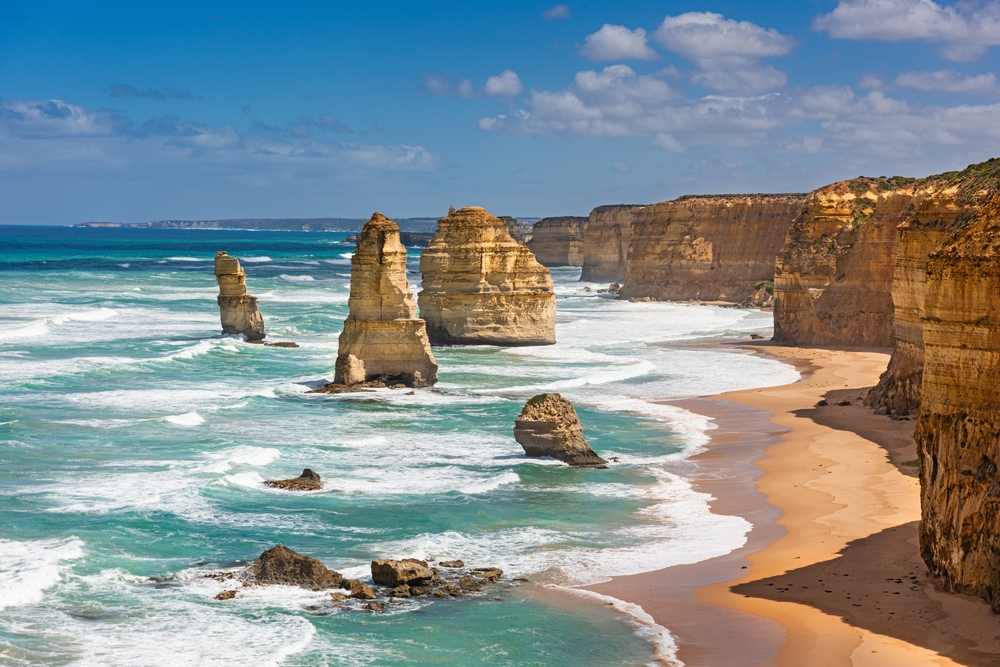
12 Apostles: These world-famous limestone stacks, rising up to 45 metres from the Southern Ocean, were formed over 10–20 million years and have slowly eroded down to eight of the original 12. Morning and afternoon visits see the cliffs catch the light in deep yellows and burnt orange against the ocean.
Loch Ard Gorge: Just minutes away, but often less crowded. The site of the 1878 Loch Ard shipwreck on the Shipwreck Coast features short walks, layered rock formations, and a more sheltered feel. While the beach looks inviting, it’s unpatrolled and unsafe for swimming.
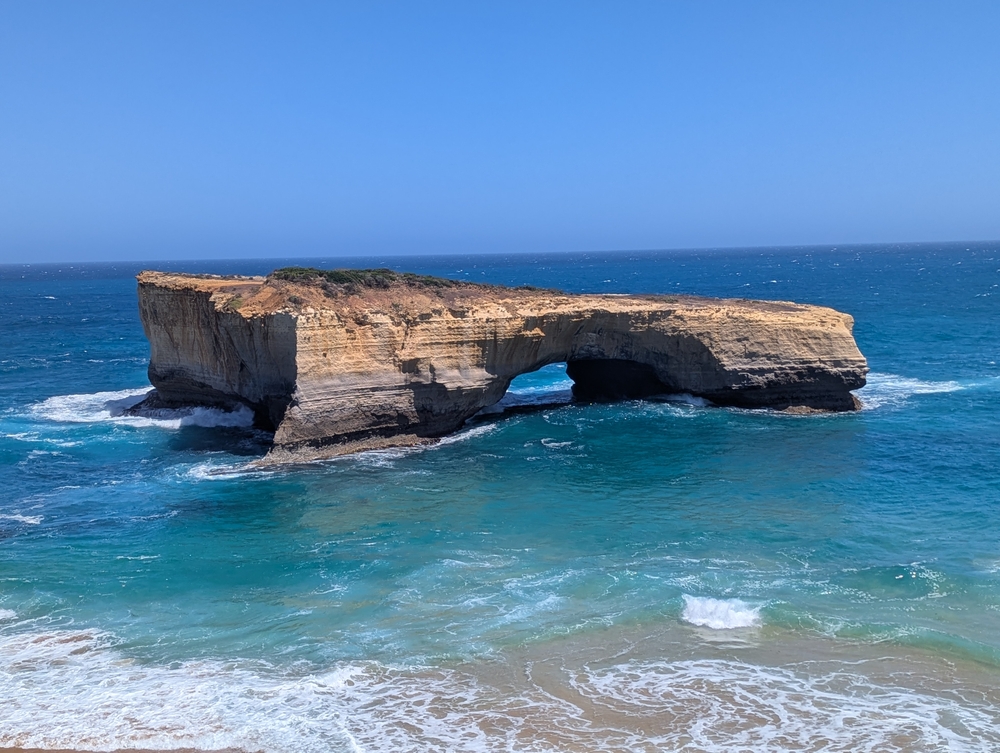
London Arch & The Grotto: Easy-access stops within Port Campbell National Park, shaped by dramatic coastal erosion. London Arch now stands isolated following its 1990 collapse, while nearby The Grotto offers a quieter, cave-like sinkhole. At dusk, you might spot Little Penguins returning to shore.
Extending Your Great Ocean Road Trip
Warrnambool
If your timing allows, continuing beyond the 12 Apostles turns the trip from a highlight reel into a more complete journey.
Port Fairy: A charming historic fishing village, known for its 19th-century maritime buildings, working port, and cottage-lined streets. Visit Griffiths Island Lighthouse, look out for nearby seal colonies, or plan your trip to attend the Port Fairy Folk Festival over the March Labour Day long weekend.
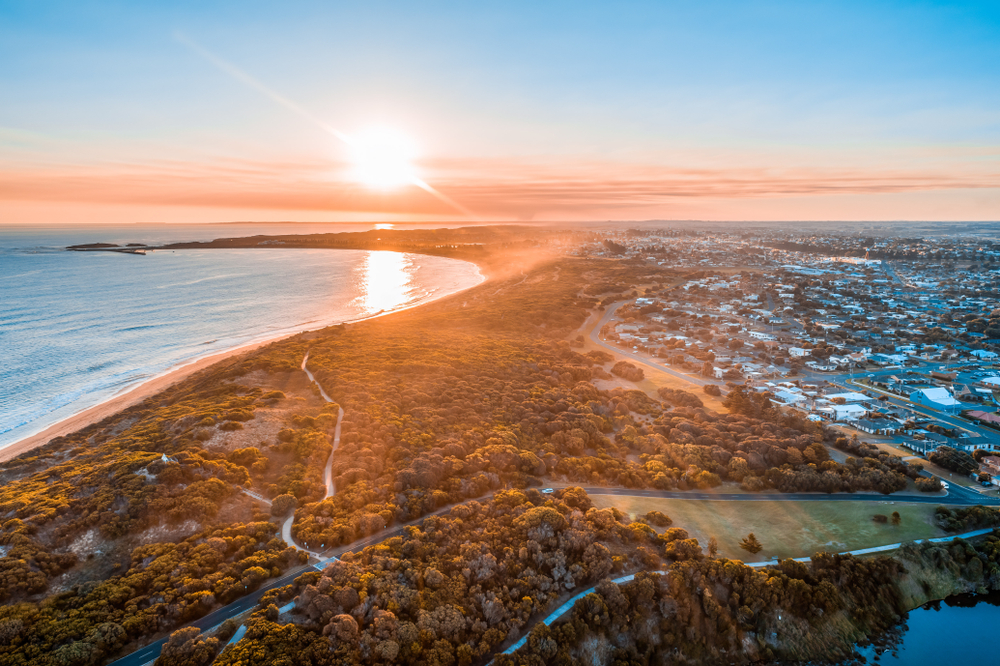
Warrnambool: A coastal hub at the end of the Great Ocean Road, known for the Logans Beach whale nursery, where endangered Southern Right whales return to calve from June to September, and the Flagstaff Hill Maritime Village. It’s also a practical place to restock and reset, with access to Tower Hill Wildlife Reserve, Lake Pertobe Adventure Playground for kids, and a strong local food scene built on its dairy heritage.
Practical Tips For A Great Ocean Road Trip
Leaving Melbourne, the Great Ocean Road is an easy drive to relax into. The roads are sealed, and there are plenty of places to pull over along the way. If you’re travelling by RV or caravan, a few practical considerations will make the trip run more smoothly:
Drive to conditions: Expect winding sections and changing weather, so always check before heading out. Plan for extra time on the road and for rest stops so you’re not pushing through fatigue.
Start early for key stops: Popular locations like the 12 Apostles fill quickly, especially during peak periods. A dedicated Visitor Centre car park on the right side of the main road accommodates motorhomes, campervans, and caravans, but spaces can be limited, so aim to arrive before 10am to secure a spot.
Use designated rest areas: The Great Ocean Road is known for winding, narrow sections and blind corners, so make sure you pull over at signed areas that can safely accommodate larger vehicles.
Plan fuel around townships: Anglesea, Lorne, Apollo Bay, and Warrnambool are your most reliable stops.
Keep your itinerary open: Coastal weather can change quickly. One of the advantages of motorhome travel is being able to adapt without stress.
Travelling with kids in a motorhome: Whether it’s RV or caravan travel with children, you’ll want to break the drive into shorter legs, make regular beach stops, and keep snacks within arm’s reach to make the drive smoother.
Do a pre-trip setup check: Before heading out, run through a simple motorhome or caravan essentials checklist. You’ll need to cover everything from kitchen gear to safety items, so you’re not chasing basics once you’re on the road.
See The 12 Apostles In An Apollo RV
From the surf coast at Torquay through to the limestone formations of the 12 Apostles – and further if you choose – this is a drive that offers many opportunities to stop and take in the surroundings. If you’re considering doing the Great Ocean Road trip your way, having your own RV or caravan changes the experience entirely. Visit your local Apollo dealership to discuss berth and interior styling options, explore the range at Apollo RV Sales, and start planning a trip that runs to your own pace – not a hotel check-in schedule.