How Do Motorhome Hot Water Systems Work
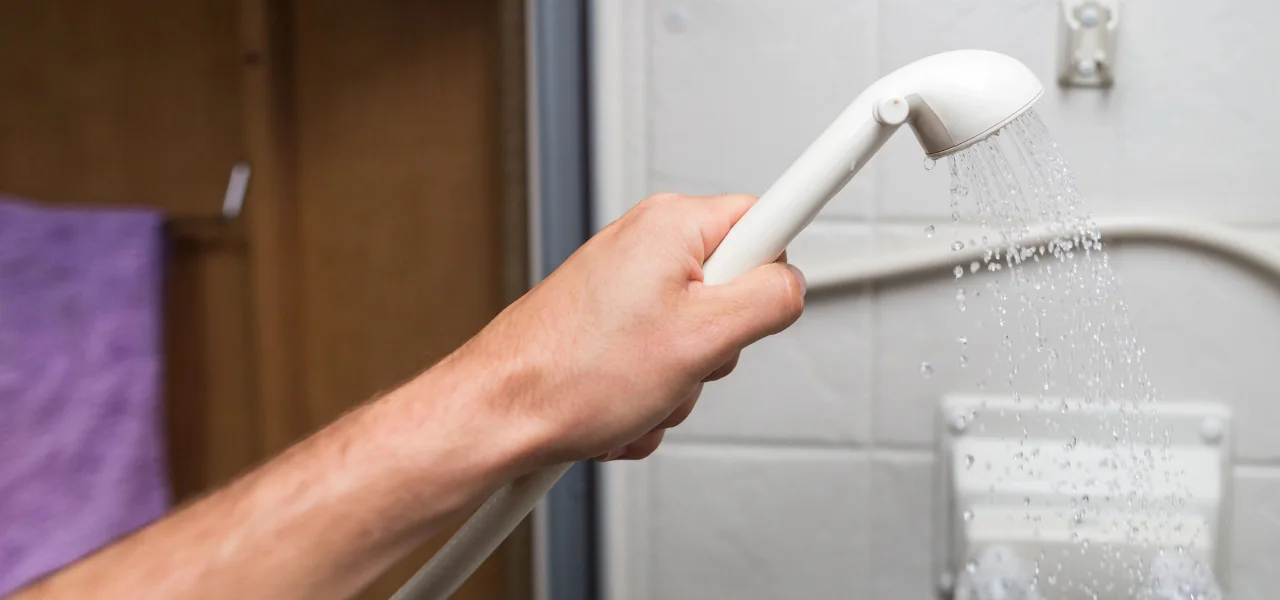
Hot water is one of the big luxuries of travelling in a self-contained vehicle. Jumping in a hot shower after a long day exploring? There is nothing better.
However, hot showers in an RV aren’t as simple as turning on a tap in the shower at home. Knowing the ins and outs of your motorhome hot water system will make the process simple, and means you won’t be caught out braving an icy cold shower on a chilly morning. To help, we have put together this guide to the different kinds of RV water heaters, how to use them and more. Let’s dive in!
The benefits of having an RV hot water system
Whether it's a hot cup of tea or coffee while you’re out on the road or a toasty warm shower, there are plenty of benefits to having an RV hot water system, including:
- Hot showers on the go
- Easy washing of greasy dishes
- Boiling water without the kettle
An RV hot water system also means you don’t need to rely on staying at a campsite. While you may want to opt to set up at a caravan park, having an RV hot water system means that you can get into nature and off the grid without sacrificing the luxury of warm water.
How to get hot water in an RV
The process of heating water in your RV is not too dissimilar to heating water at home, just on a much smaller scale! In most cases, your RV will have some form of hot water heater that’s connected to a freshwater tank. This tank is connected to your RV water plumbing system. The mechanics of this will vary depending on the type of water heater installed.
What is the best water heater for a motorhome?
The best water heater for a motorhome will depend on the type of motorhome you have and how you intend to use it. There are three common types of water heaters: RV diesel hot water heater, RV instant hot water heater, and an RV gas hot water heater. However, it is important to note that regardless of which you choose, most of these hot water heaters will require a little bit of juice from your motorhome power system to operate switches that will heat the water.
RV diesel hot water heater
One of the most popular choices for hot water systems is a diesel hot water heater for RVs. Diesel heaters are known to provide more consistent heat and can also double up as air heaters.
These heaters are ideal for anyone looking to travel in their RV during cold conditions, as they tend to be more reliable in cooler weather. Colder conditions can lower the internal pressure of the LPG tank by causing the volume of liquid in the LPG to shrink. Simply - if temperatures drop below 2°C, LPG can lose pressure and may not work as well.
RV instant hot water heater
Sometimes known as an RV electric hot water heater, living water heater, or an RV tankless water heater - these instant hot water heaters don’t require a tank and often sit on the wall inside your motorhome. Instant hot water systems usually work by water passing through a mechanism like a copper pipe heated from an electric element or gas heat exchanger. This way, the water is immediately heated as it passes through the coil, directly to the water outlet.
Instant hot water heaters will most likely be powered from your 240v power supply making them ideal for motorhomes that are permanently parked up on mains power.
RV gas hot water heater
One of the most common RV water heaters is an LPG/gas system and this is what is most commonly available in Apollo RV Super Centre motorhomes. Most gas systems operate from a standard 9kg LPG tank that you can get filled through a swap-and-go service. Some gas hot water heating systems also have the option to operate from your 240v power supply. This allows you to save gas (and money) when connected to mains power.
How to operate an RV gas hot water heater
As most RVs use an LPG gas hot water heater, we have created a step-by-step guide of how to get hot water with your gas hot water heater:
Step 1: Turn on your gas
Head to the LPG gas storage box located on the side of the motorhome. Turn the gas on at the gas bottle by turning the valve dial anti-clockwise.
Step 2: Find the switches
Once you’re back inside, locate the heater switch. The control panels for these are usually easy to find. The main switch is most likely to be a single large panel with the words ‘water heater’ at the top with an ‘on’ switch underneath and a red light adjacent to that. The other controls you will need to locate is a dark grey rectangular panel with a number of switches, one of which will be for the LPG, and the others will usually operate the vehicle’s interior lights.
Step 3: Turn all switches and systems on
To get hot water, check that the water pump switch is on and that there is water in the tank. You can check the exact levels via the water tank display monitor. This display should be wall-mounted near the switches. Flick the white switch to ‘on’ and wait for the red light next to it to go out - this indicates that the gas has ignited and is heating the water in the tank.
This can take up to 20 minutes, so be sure you do this in advance of when you might need it. For example, putting it on as you wake up, so you can enjoy a shower later that morning, or turning it on while you cook so that you can wash dishes when you are finished.
Step 4: Check you have hot water
After you have waited for a minimum of 20 minutes for the water to heat, check that the light next to the hot water switch has turned off (or in some cases dimmed). If the red light next to the hot water switch comes back on, this indicates ignition has failed.
RV hot water heater troubleshooting
If the ignition has failed, turn the water heater switch off and find the LPG gas bottle in your motorhome. Check the connections are secure and that the bottle is open. Then try the water heater switch again.
Step 5: Check the temperature and enjoy
If all systems are a go, you should then be able to use the hot water for your showering, and dish-washing pleasure! Just be aware that water temperatures can get quite hot. Avoid the possible risk of scalding from the hot water by testing the water first. This is especially important to do before letting children shower.
Step 6: Turn off the gas
Once you have finished, ensure that you securely turn the gas bottle clockwise to the ‘off’ position before driving.
How to fill a hot water heater in RV
Just like your hot water system at home, a motorhome hot water system will automatically be filled up with water from your fresh water tank. As such, if you plan to use the hot water, you need to make sure your fresh water tank is adequately full.
For more information on filling your water tanks, read our guide on putting water in your RV.
How to drain a hot water tank in an RV
Regular cleaning of your motorhome tanks is an important part of looking after your motorhome. As part of your routine tank maintenance, you should drain your hot water tank at least once a year. You should also drain your hot water tank before storing it for a long period of time. Here is a simple step-by-step guide on how to drain your RV hot water heater tanks.
Step 1: Turn your hot water off
Before draining your hot water tank, it’s essential that your water heater and water pump are all turned off. These are located on the main control panel.
Step 2: Run the hot water
Run your RV’s hot water inside until it runs cold.
Step 3: Empty the tank
Head outside and release the pressure valve/RV hot water heater drain plug on your specific water heater. Because you’ve run your internal hot water already, the water that drains out shouldn’t be dangerously hot - but be careful just in case.
And there you have it - easy as one, two, three!
Causes of low hot water pressure in an RV
Low water pressure could be caused by a few common issues such as inadequate campground pressure, bent or blocked hose lines, or clogged water filters. If you’ve checked these and the problem persists, it’s best to consult a professional at Apollo RV Super Centre for a full inspection and repair.
Ready to learn more about keeping your motorhome systems running smoothly? Visit Apollo RV Super Centre today or speak with our team about servicing and maintenance for your hot water system and other RV essentials.
Time to hit the road in a self-contained RV?
There’s nothing like a hot cuppa or shower after a day of exploring. Understanding how your RV hot water system will ensure you never have to miss out. There are plenty of parking options for motorhomes and campervans. With a little research and planning, you will be able to park up your motorhome all around Australia whether you are home or adventuring – hassle-free!
If you are ready to take the plunge into buying a motorhome, visit Apollo RV Super Centre and check out our range of campervans and motorhomes today. Not sure how to choose the right motorhome or campervan for you? The Apollo RV Super Centre team are a wealth of knowledge when it comes to motorhome buying, camper repair and more, and will happily answer your motorhome ownership questions. Drop into your local Apollo RV Super Centre dealership or chat with the Apollo RV Super Centre team.